EBOOK WRITING
What is an eBook?
If you look eBook up in the dictionary, you’d find the following:
Noun
- A book composed in or converted to digital format for display on a computer screen or handheld device.
Pretty straightforward. An electronic book; an eBook.
But here’s the thing: If an eBook is simply a book in a digital form that, technically, qualifies many things that aren’t actually eBooks. It also doesn’t truly define what makes an eBook an eBook. So what does?
Characteristics of an eBook
For starters, eBooks are files that you can read on a digital device – a tablet, smartphone, computer, etc. But again, considering other files can be read on digital devices (i.e. word documents) eBooks have specific characteristics that differentiate them.
eBooks shouldn’t be editable
One distinct characteristic of an eBook: the text should not be editable. An eBook should always be converted into a format that ensures it’s uneditable. With thousands of people having access to it on digital devices, people could potentially change any content without the author’s permission. So, in order to qualify as an actual eBook, text should not be able to be changed in any way, just like a paperback book.
eBooks are reflowable (with an exception)
Another important characteristic is that true eBooks should be reflowable. This means that no matter what the size of the screen you’re viewing the eBook on, it will always fit your screen; text will remain formatted with line breaks and chapters and images will resize to fit the proportions of the device you’re reading on.
There is one exception though: PDFs. Considering PDFs can’t be edited, but they aren’t reflowable, they technically don’t qualify as eBooks according to the characteristics that differentiate eBooks. But with businesses taking advantage of the ease of PDF downloads and distribution, PDFs have become “unofficial” eBooks and are still widely used eBook formats.
eBook formats
If you were to search for eBook formats, you would come across quite a few options. Dozens actually. However, the likelihood of actually using many of these formats is pretty slim. To keep it simple for you, we are going to just take a look at the three that are known for their ease of use and ability to be used in a format that is widely distributed: EBUP, AZW, and PDF.
EPUB (.epub)
An EPUB, or electronic publication, is the most widely supported format and can be read on a variety of devices, including computers, smartphones, tablets, and most eReaders (except Kindles). EPUB files are reflowable, which make them true eBooks and easier to read on small devices.
AZW (.azw)
AZW files were developed by Amazon for its Kindle eReaders. These files can store complex content like bookmarks, annotations, and highlights. But use of AZW files are limited to Kindles or devices with Kindle apps. Additively, they can only be accessed from the Amazon online bookstore.
PDF (.pdf)
A PDF, also known as a portable document format, isn’t technically a true eBook according to our definition, but it’s the format most people are familiar with. Created by Adobe, PDFs are known for their ease of use and ability to hold custom layouts. Because they hold their format and aren’t reflowable, they can be difficult to read on a small screen. Despite this, they are still one of the most commonly used eBook formats, especially by marketers.
Popular eBook devices
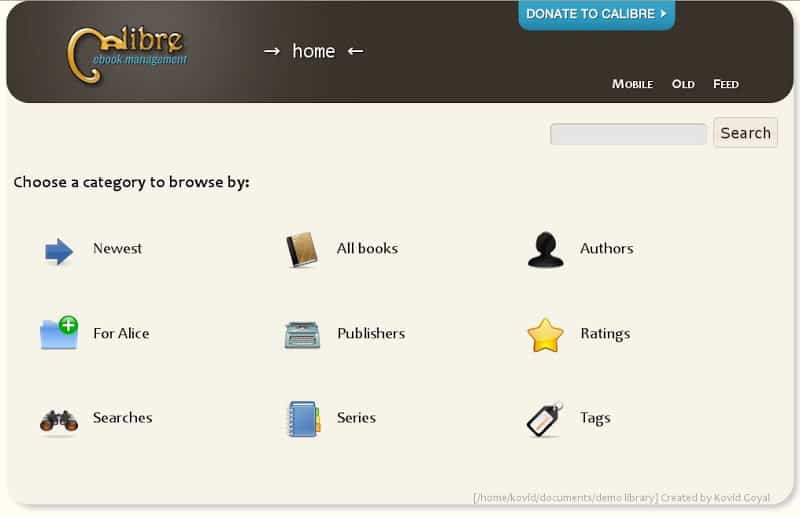
An eBook can be read on a variety of digital devices; any digital screen really. Below are a few of the most popular devices that eBooks are viewed on:
In recent years though, a device called an eReader (electronic reader) was developed specifically for reading and storing eBooks. An eReader is simply a handheld device that eBooks can be read on. Some of the most popular eReader devices include:
Some of these devices were made with built-in lighting so that readers can continue to read once they no longer have access to light.
Unfortunately, some of the models don’t have this feature. For convenience, companies like Amazon and Kobo created apps that allow you to continue reading from any device that has the app downloaded. This means that you can start reading from your eReader and when it gets dark, you can finish on your computer, smartphone, or tablet if needed.